

Program Review
B Tech Electronics & Communication Engineering at Atharva University, Mumbai is a future-focused undergraduate programme designed for students who want to build strong careers in electronics, communication systems, telecommunication networks, and smart connected technologies. The programme helps learners understand electronic systems, signal processing, wireless communication, IoT integration, embedded systems, and modern digital communication solutions through practical and industry-based learning. The B.Tech in Electronics & Telecommunication Engineering course focuses on developing technical knowledge, problem-solving ability, and hands-on skills required for today’s fast-changing communication and technology sector.
The B Tech In Electronics And Telecommunication Engineering programme also gives students exposure to simulations, design projects, lab work, workshops, internships, and real-world engineering tasks. It prepares learners to work across industries connected with electronics, telecom, embedded systems, IoT, wireless networks, VLSI, and advanced communication technologies.
Complete Curriculum
The curriculum integrates core electronics, communication engineering, embedded systems, and applied telecommunication subjects with practical laboratory work. Students are trained through a balanced mix of theory, simulations, design projects, and real-world problem solving to build strong technical proficiency across the ENT domain.
Key Learning Areas
Core areas include electronics and signal systems, analog and wireless communication, telecommunication networks, IoT integration, embedded systems, and emerging technologies like optical communication and 5G.
Practical Skills
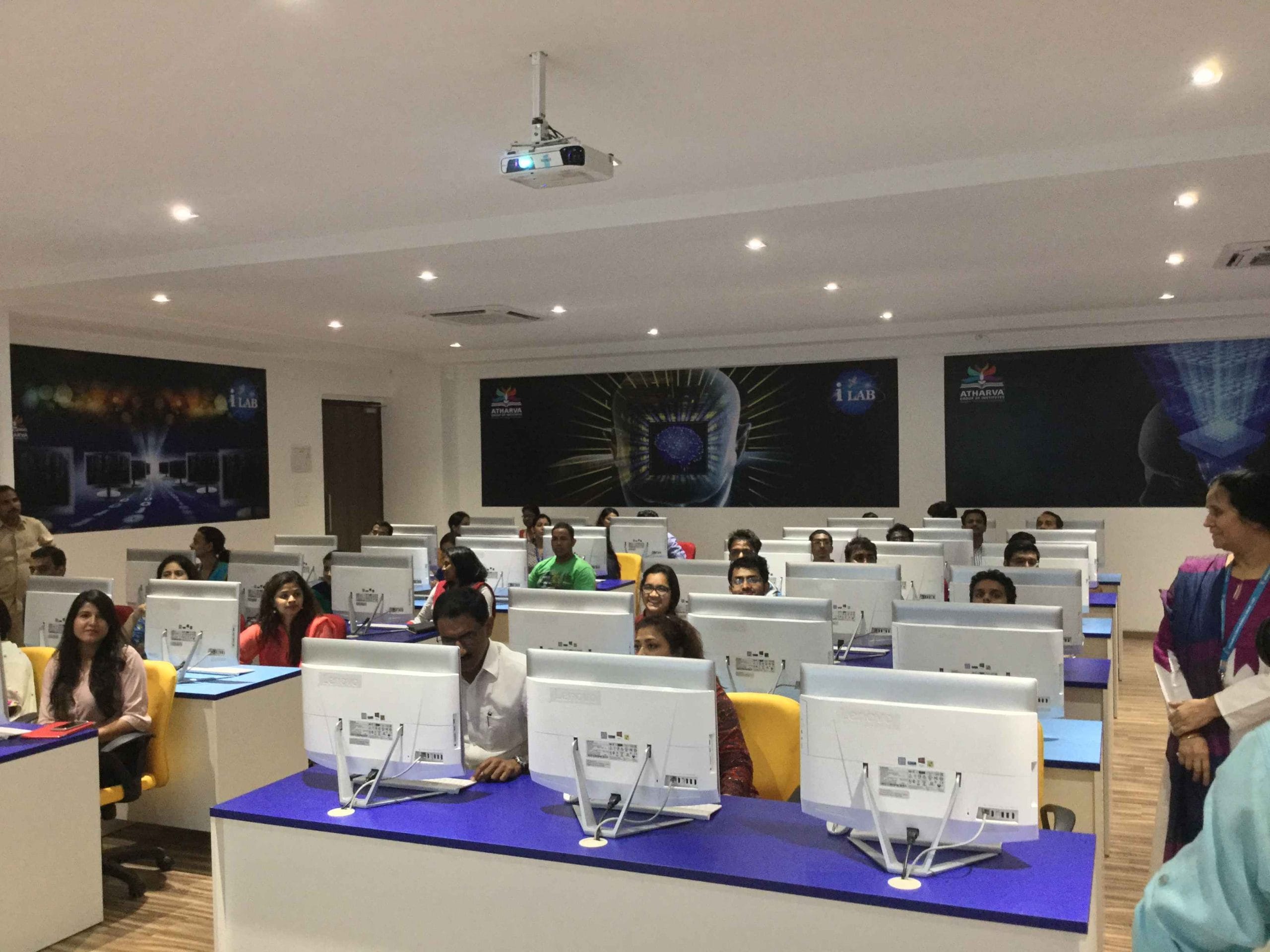
Hands-on learning through well-equipped labs, simulation tools, communication system experiments, and mini projects. Practical exposure sharpens analytical, circuitry, and telecommunication design capabilities essential for modern electronics professionals. Hands-On Learning
Hands-On Learning
Students engage in real-world design tasks, industrial internships, workshops, and technical events that enhance practical understanding and industry readiness. Applied work helps bridge classroom knowledge with engineering practices.
Global Certifications
Value-added courses and certification opportunities in areas such as IoT communication, embedded systems, wireless protocols, and VLSI basics may be available to complement the core curriculum and boost industry relevance.
Research & Innovation
The department encourages exploration and innovation projects in advanced electronics, communication technologies, network systems, and smart telecommunication solutions. Graduates are prepared for research careers or entrepreneurial ventures.
Duration & Eligibility
Requirements and selection process for the BBA + MBA Integrated Program
The B Tech Electronics & Communication Engineering programme is a four-year full-time undergraduate engineering course divided into eight semesters. Students who have completed 10+2 or HSC equivalent with Physics, Chemistry, and Mathematics can apply for this programme.
A minimum of 45% marks is required for general category students, while 40% marks are required for reserved category students. Admission is based on JEE Main, MHT-CET, PERA CET, or Atharva University All India Entrance Test, followed by a personal interview.
Duration
4 Years (Full-time) – Eight semesters of rigorous academic and practical training.
Eligibility
10+2 (HSC) or equivalent with Physics, Chemistry & Mathematics. Minimum 45% marks (40% for reserved categories)
Selection Process
Admission through JEE Main / MHT-CET / PERA CET or Atharva University All India Entrance Test, followed by a personal interview.
Program Highlights
The B Tech Electronics & Communication Engineering course at Atharva University, Mumbai offers an industry-aligned curriculum that covers core electronics, communication engineering, signal systems, analog and wireless communication, telecommunication networks, embedded systems, IoT integration, optical communication, 5G, and VLSI basics. Students learn through well-equipped electronics labs, communication system experiments, simulation tools, mini projects, industrial exposure, internships, workshops, seminars, and technical events.
The programme is designed to connect classroom learning with practical engineering applications, helping students become industry-ready professionals. After completing the course, graduates can explore career roles such as Electronics Engineer, Telecom Engineer, Network Engineer, Embedded System Engineer, RF Engineer, IoT Developer, Signal Processing Specialist, and VLSI Designer.
Industry-Aligned Curriculum
Updated and relevant coursework tailored to modern telecommunication trends.
State-of-the-Art Labs
Electronics, communication systems, and telecommunication hardware labs.
Industrial Exposure
Projects and internships within communication and technology sectors.
Professional Development
Workshops, seminars, and technical sessions enhance career prospects.

Atharva Cutting-Edge Labs:
- Artificial Intelligence and Expert System Lab
- Reinforcement Learning Lab
- Natural Language Processing Lab
- Deep Learning Lab
- Data Analytics and Visualization Lab
- Machine Learning Lab
Programme Outcomes
After completing this program, graduates will be able to:
Apply core engineering principles
to solve complex electronics and communication problems.
Design and analyze
telecommunication systems and networks for modern applications.
Utilize modern tools
and techniques in electronics and communication design.
Communicate effectively
and lead multidisciplinary engineering teams.
Career Support & Opportunities
Atharva University bridges academic knowledge with industry expectations through targeted career support, internship programs, and placement assistance. Graduates are prepared for roles such as:
- Electronics Engineers
- Signal Processing Specialists
- VLSI Designers
- IoT Developers
- Network Engineer
- Embedded System Engineers
- RF Engineers
- Telecom Engineers
Our Recruiters


Industrial Visit Of Our Students

Borivali & Vasai Fort
Kanheri Caves

Bangalore
Digital Circuits Pvt. Ltd. and KYNES Pvt. Ltd.

Dahisar West
Tantraniketan-Robotics

Powai
E-Yantra Lab IIT Bombay

Powai
Mettler-Toledo India GBSI

Andheri (West)
Go-Green Technologies Pvt. Ltd.

Matunga (East)
ICAR-Central Institute for Research on Cotton Technology (CIRCOT)

Goregaon (East)
TATA Power Nesco DSS

Dahanu
Adani Power Station

Chandigarh
Inter Solar

Punjab
C-DAC Center Mohali